Patients and families
More of the journey spent moving. Every junction cleared sooner hands time back to the person in the ambulance.
Priority One exists for one outcome: more of every emergency journey spent moving. Here is why it matters, what we have measured, and what we have not proven yet.
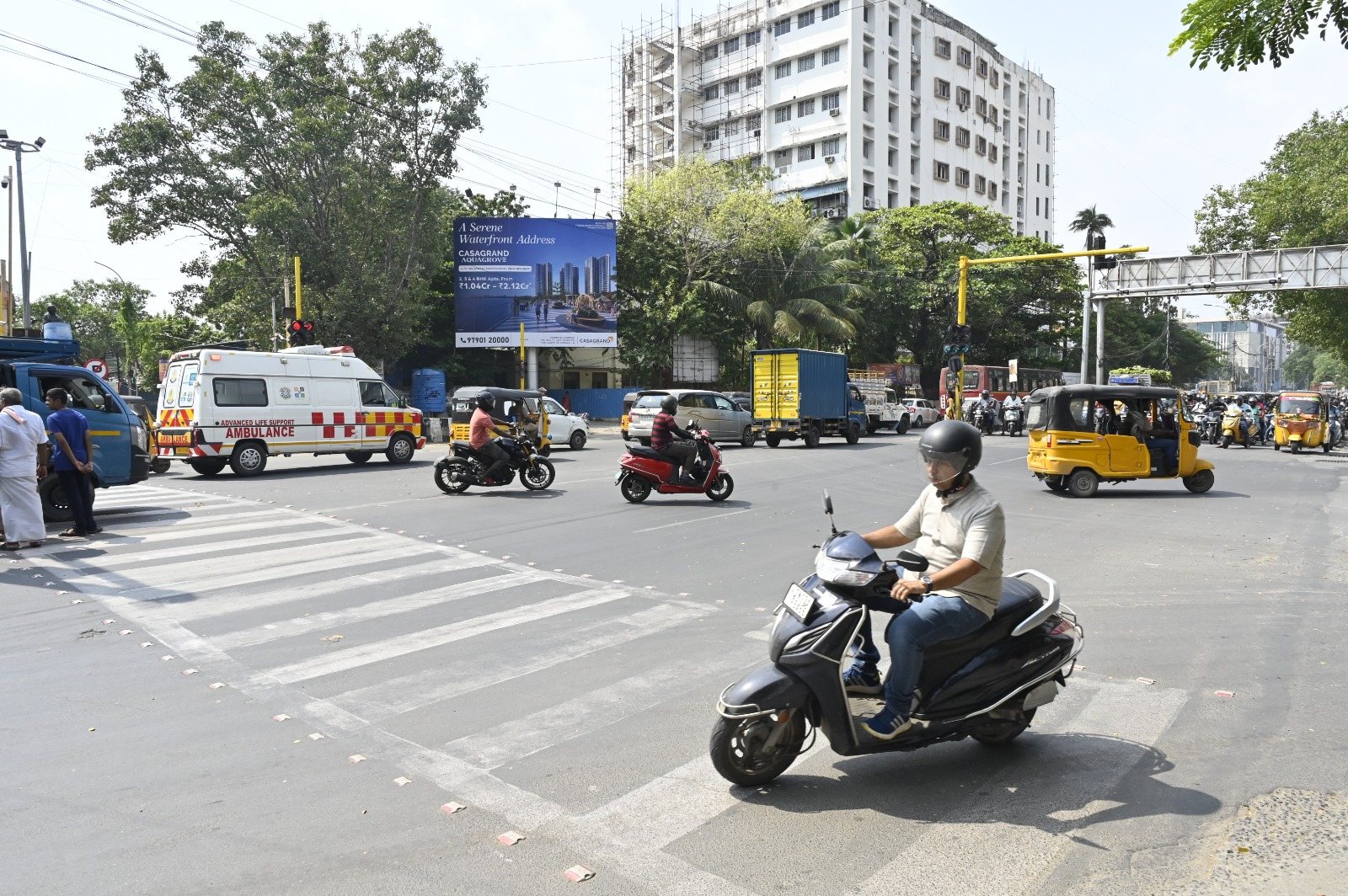
We do not claim that all of these losses come from ambulance delays. We show them because time on the road is the one thing that can never be recovered.
A junction is where an emergency journey is most likely to stall. The signal cannot see the ambulance, other drivers cannot always hear it over traffic, and the officer on duty may have no warning.
Priority One gives the junction a head start. The sooner the right person knows which road the ambulance is on, the sooner the way can be cleared.
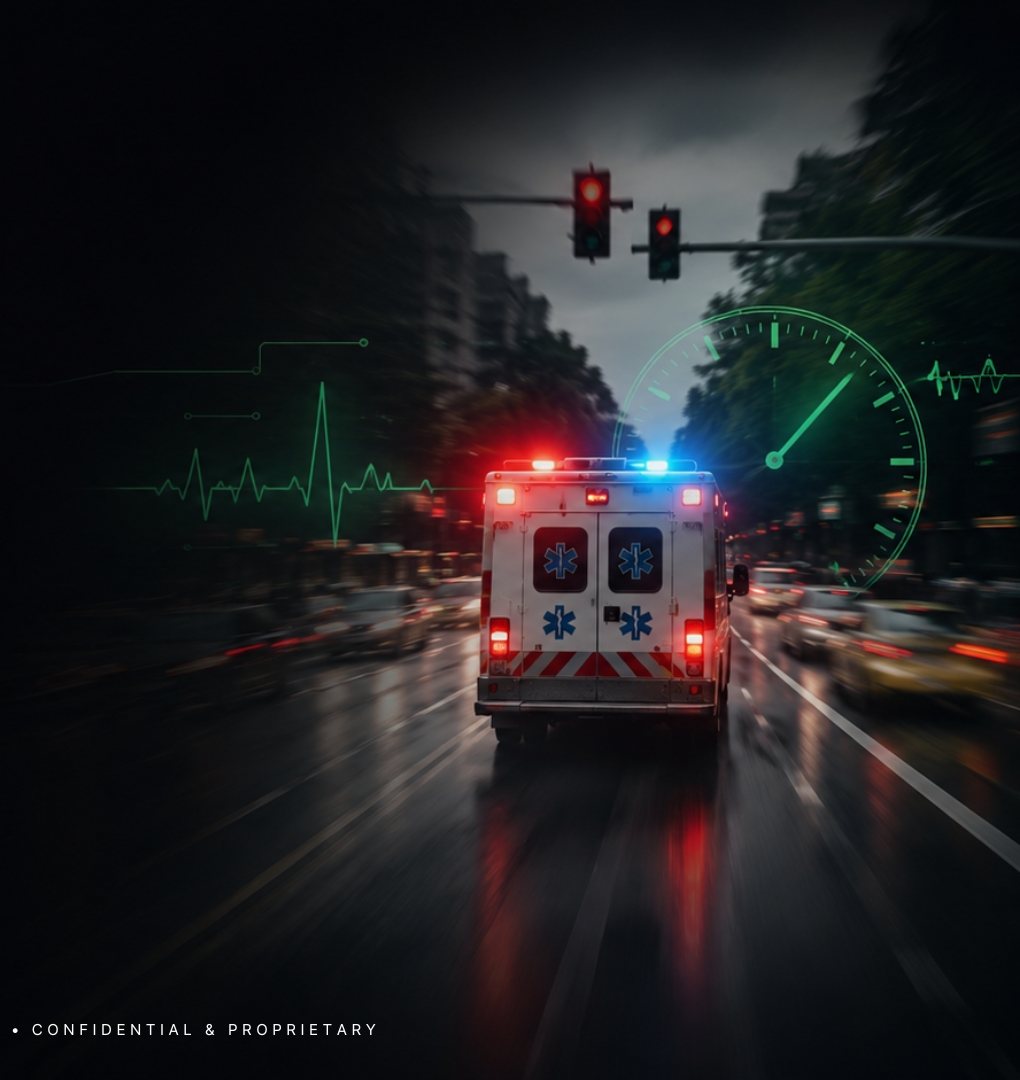
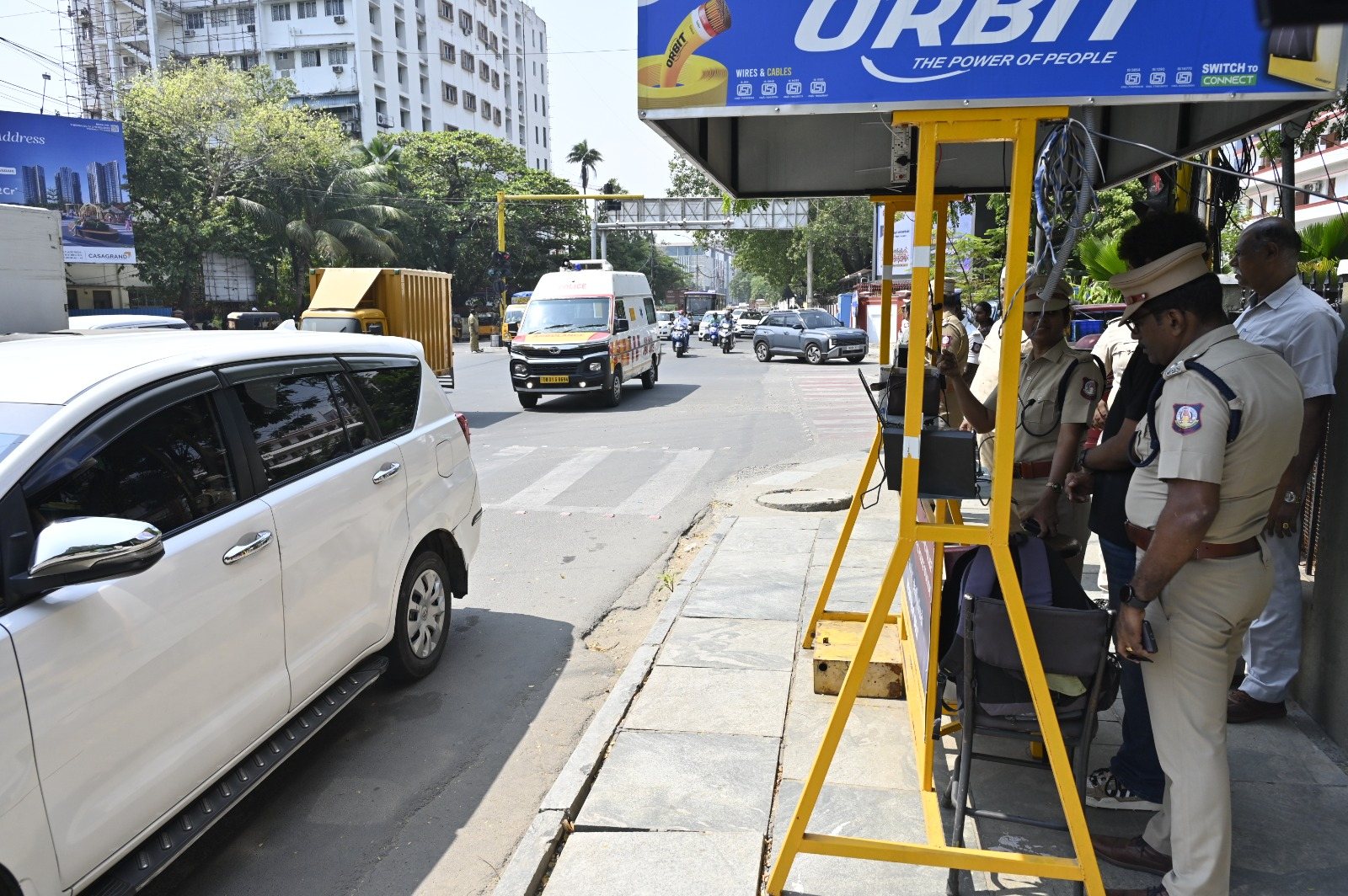
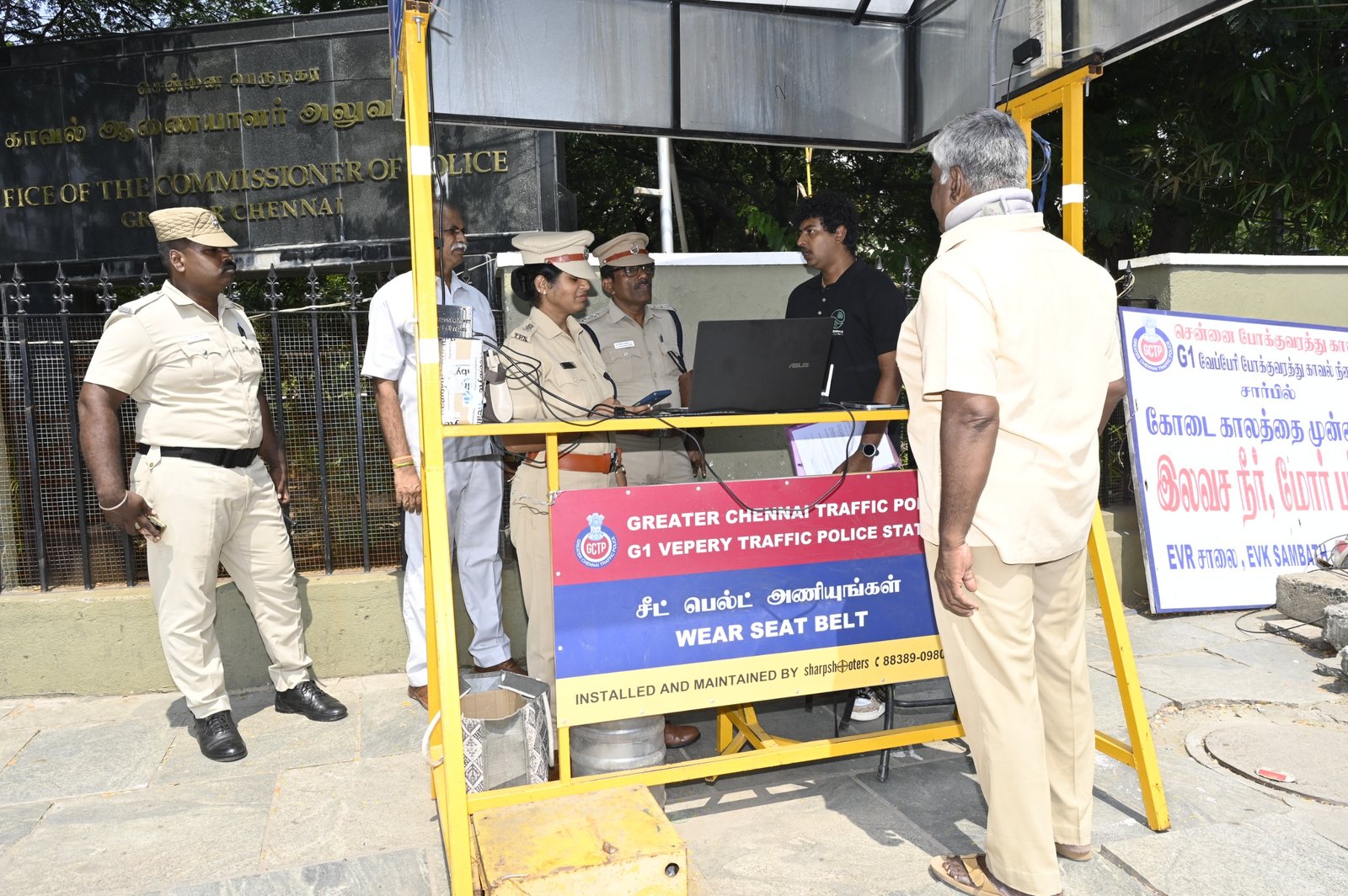
Results from our first live field demonstration with Greater Chennai Traffic Police: one T-junction, prototype units, 13 test runs.
Distances and warning times measured on the Chennai test runs.
Source: Chennai field demonstration, 28–31 October 2026
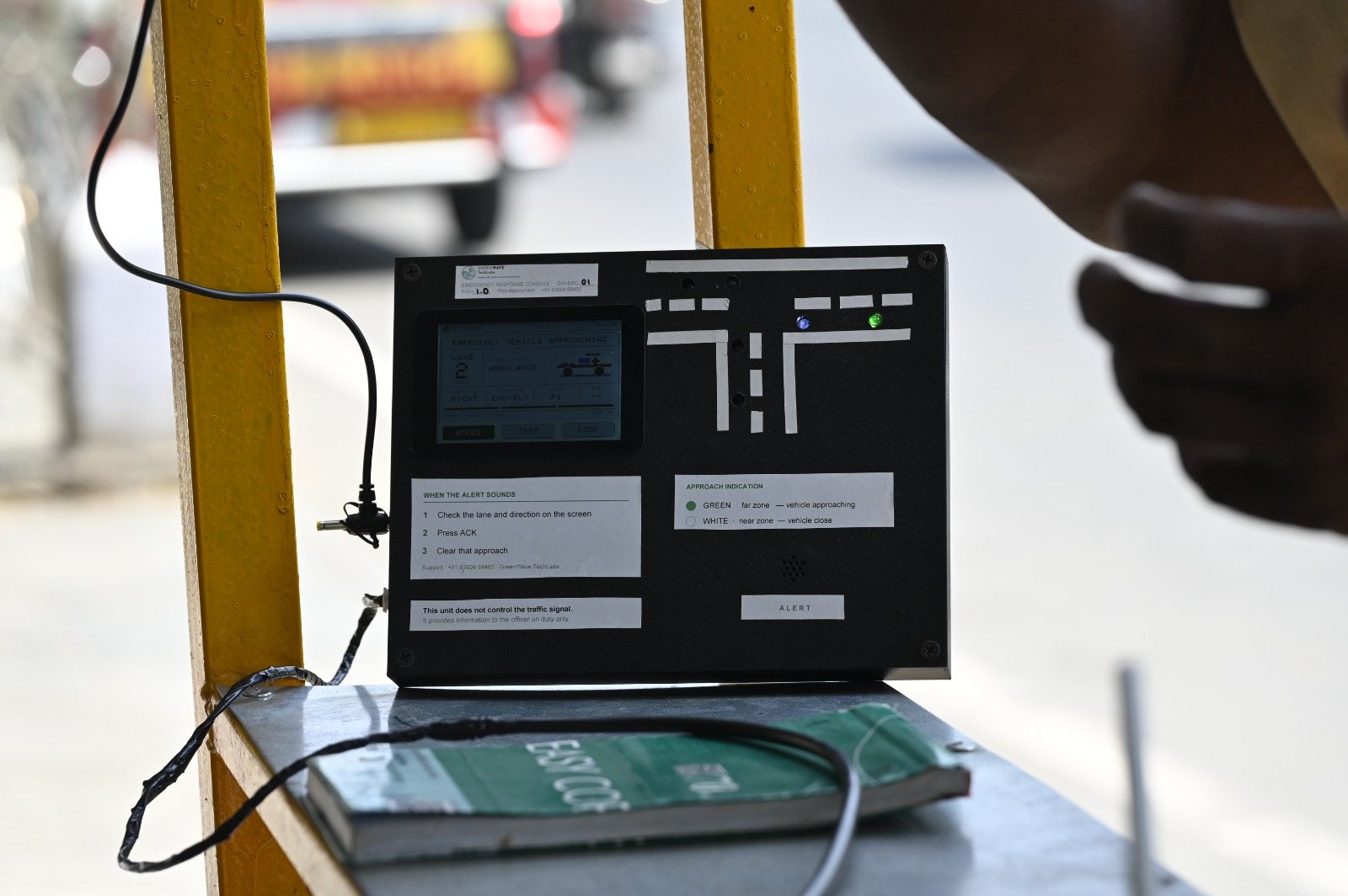
Each card says what is measured and what is still a design goal.
More of the journey spent moving. Every junction cleared sooner hands time back to the person in the ambulance.
Less of the trip stopped at red lights, and less of it depending on other drivers making way.
An early, specific alert: which road, and how soon. In Chennai it came about 33 seconds ahead on average, and officers acknowledged it within 3 to 7 seconds.
An early warning lets a junction be cleared in an orderly way instead of a last-second scramble, which is safer for pedestrians, riders and drivers.
Heart attacks, strokes and trauma all depend on arriving fast. Earlier arrival helps every emergency department.
The roadside units were fixed to poles over two days, and in alert mode no change to the signal equipment was needed.
A plain account of where each measure stands.
| Question | Where we are | Status |
|---|---|---|
| Was the officer alerted on the correct road? | 13 of 13 approaches, in Chennai | Measured |
| Were there false alerts? | None in about 5 hours of live traffic | Measured |
| How early was the warning? | About 33 seconds on average; up to 45 | Measured |
| Did officers use the alert? | 10 acknowledgements, each within 3 to 7 seconds | Measured |
| How much time does an ambulance save at the junction? | Not yet published | Next to measure |
| How does it perform across a corridor of junctions? | Chennai corridor under discussion; Bengaluru pilot under way | Next to measure |
| Fuel and emissions saved? | Not measured | Not measured |
| Lives saved? | Cannot be shown from one junction, so we do not claim it | Not claimed |
The same early warning is useful wherever an emergency vehicle cannot afford to wait.
Heavy vehicles that are slow to stop and slow to restart.
Vehicles answering an emergency across busy junctions.
The last stretch of road before an emergency department.
Large sites with their own emergency services and junctions.
Chennai numbers come from our own field report. National figures come from the sources listed above.
The table above includes the questions we cannot answer yet.
Pilot results and officer feedback go to the department first, then are published here.
The units used in the pilots have no cameras. We will describe how data is handled before any wider rollout.
We are looking for traffic departments, hospitals and ambulance services to run measured pilots with. Every pilot ends with a report you can read.