Traffic Systems
Junction Behaviour
How a junction works, and what an officer needs to know, and when, for an alert to help.
Priority One by Greenwave Techlabs is a real-time emergency traffic intelligence system that tells the traffic officer which road an emergency vehicle is coming from, and how soon, so the path can be cleared in time.
A warning at every junction, so the road is clear when it matters most.
Emergency response isn’t limited by medicine alone — it’s limited by time. A junction cannot see an ambulance coming, so the crew loses minutes the patient does not have. Priority One gives the people at the junction a warning, so the way can be cleared before the ambulance arrives.
We build for high-pressure civic systems, and we only publish what we have measured at a real junction with real ambulances.
Read our missionThe officer sees which road an emergency vehicle is on, and how soon it will arrive, before it reaches the junction.
Alerts that start from a vehicle unit are digitally signed, so the system can tell an authorised vehicle from an ordinary one.
Roadside units also listen for sirens as a backup. Sound alone is treated with extra caution to avoid false alerts.
In our pilots the system advises and never changes the signal itself. A person stays in charge of the junction.
Priority One does not need the ambulance to stop, and it does not need anyone to phone ahead. It tells the people at the junction what is coming, and when.
A small unit on board shares the ambulance’s position while the emergency is on. Every message is digitally signed, so only genuine vehicles are accepted.
Units on poles around the junction check the message is genuine and work out which road the ambulance is on. They also listen for sirens as a backup.
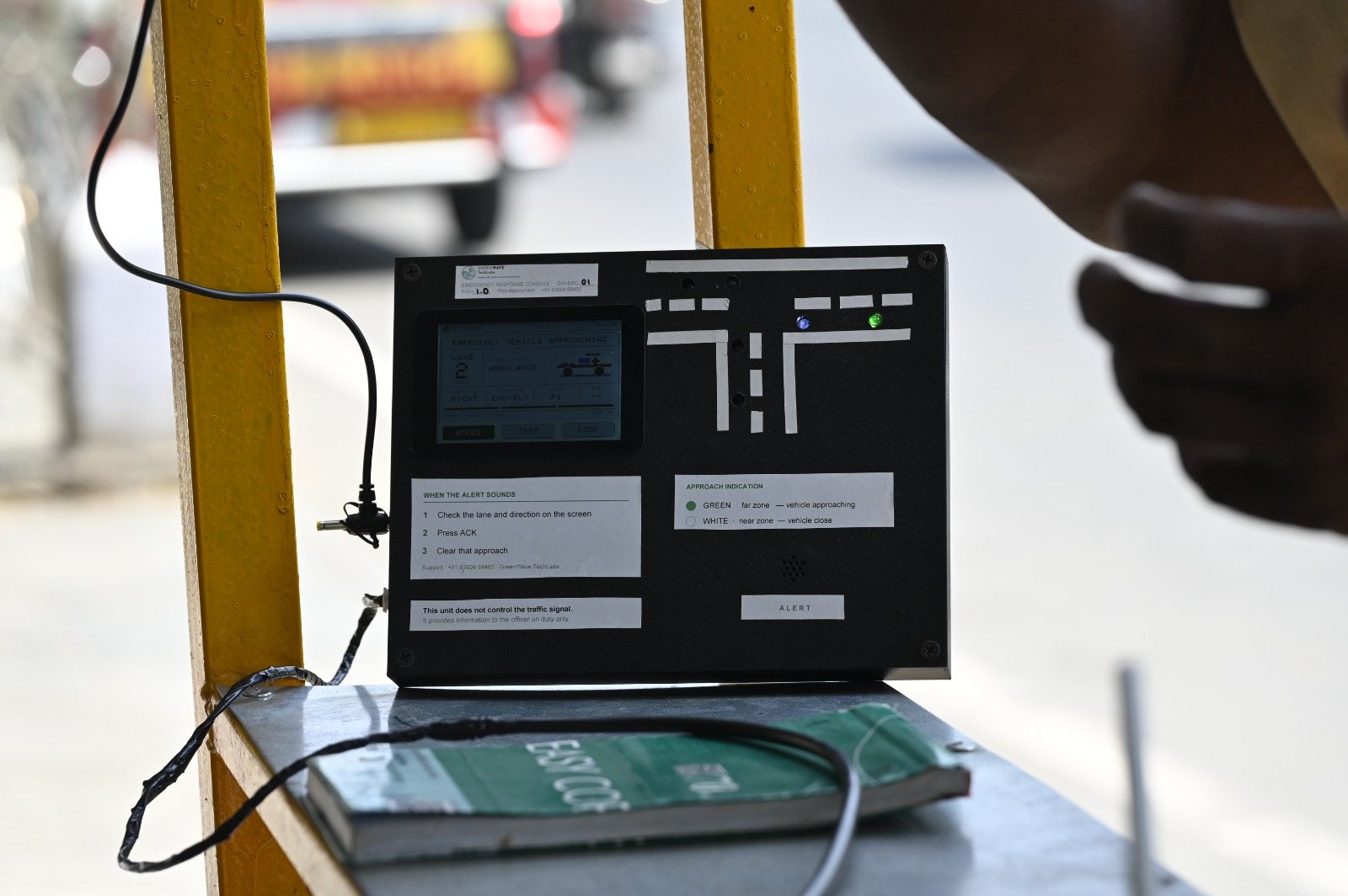
A console beside the officer shows which road the ambulance is on and how soon it will arrive, with a clear sound. The officer decides and clears the way.
Each alert and the officer’s response are logged and sent to a monitoring dashboard, so the police and our team can review what happened and improve.
Greenwave Techlabs is an Indian deep-technology company in Bengaluru. A small engineering team designs the hardware, software and dashboard in-house, and tests them with the traffic police at live junctions.
More about usEmergency systems must behave predictably under pressure.
Every product decision is measured against response time.
Technology has to work for responders, operators, and citizens.
Operational claims need data, logs, and clear accountability.
Junction Behaviour
How a junction works, and what an officer needs to know, and when, for an alert to help.
Field Units
Rugged, low-cost units for the vehicle, the roadside and the junction.
Sirens and More
Roadside units that listen for sirens as a backup, with more detection methods in development.
Verified Alerts
Alerts from a vehicle unit are digitally signed, so authorised vehicles can be told apart.
Live Junctions
Surveying, fitting, training officers and supporting the junction while it runs.
Evidence Loop
Every pilot ends in a written report: numbers, officer feedback and what to fix next.
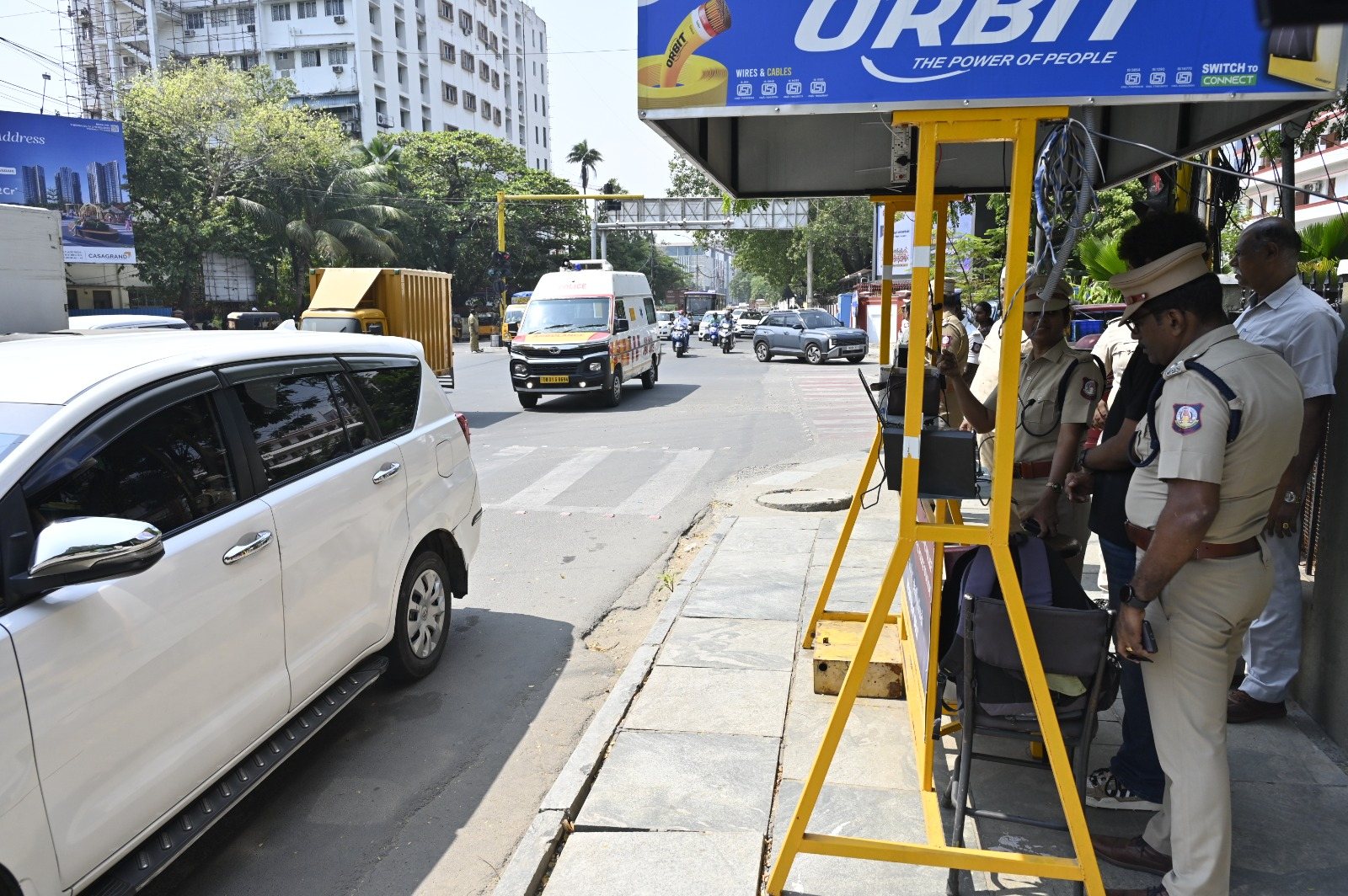
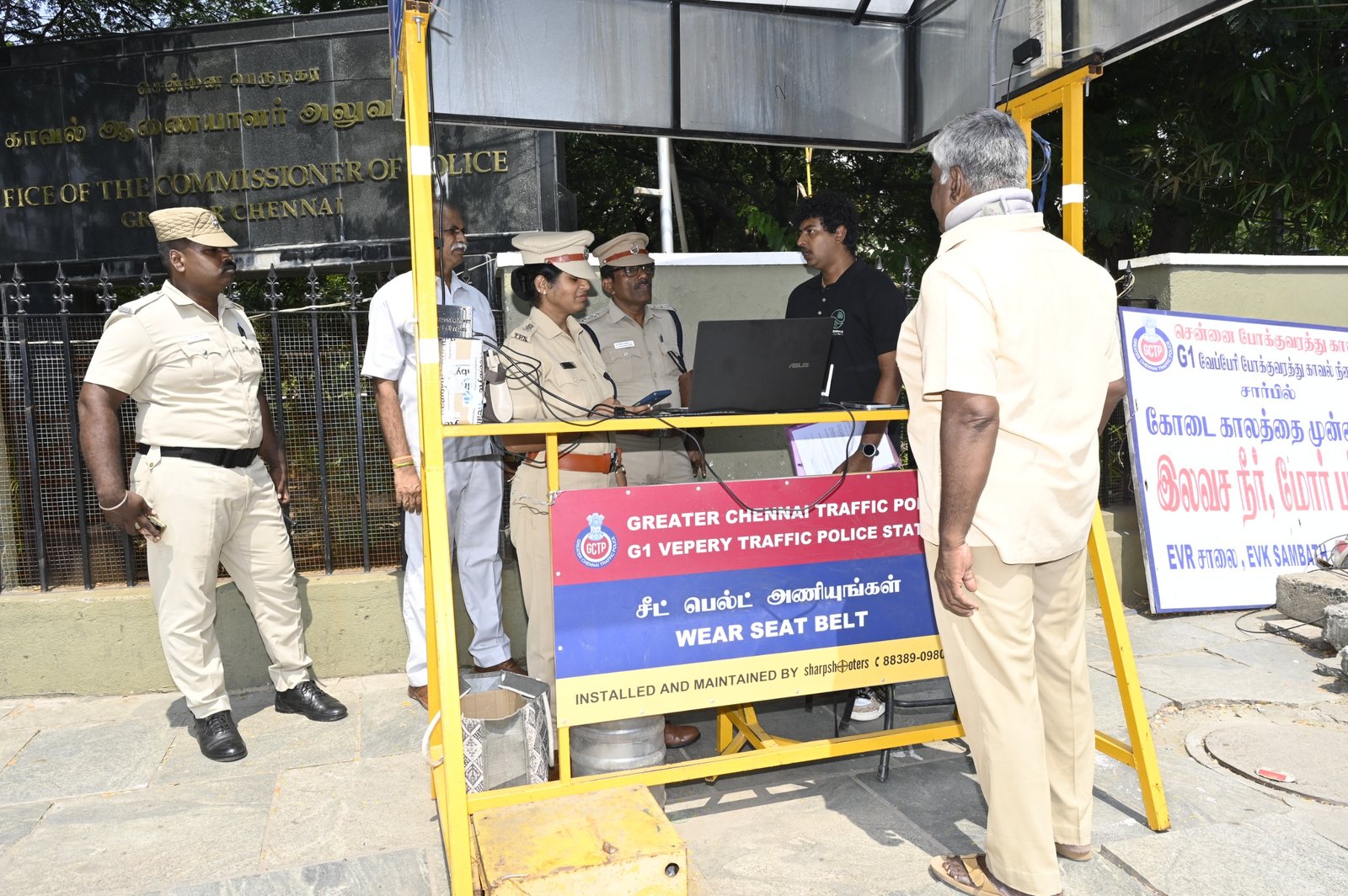
We only publish what we have measured. These numbers come from our first live field demonstration with Greater Chennai Traffic Police.
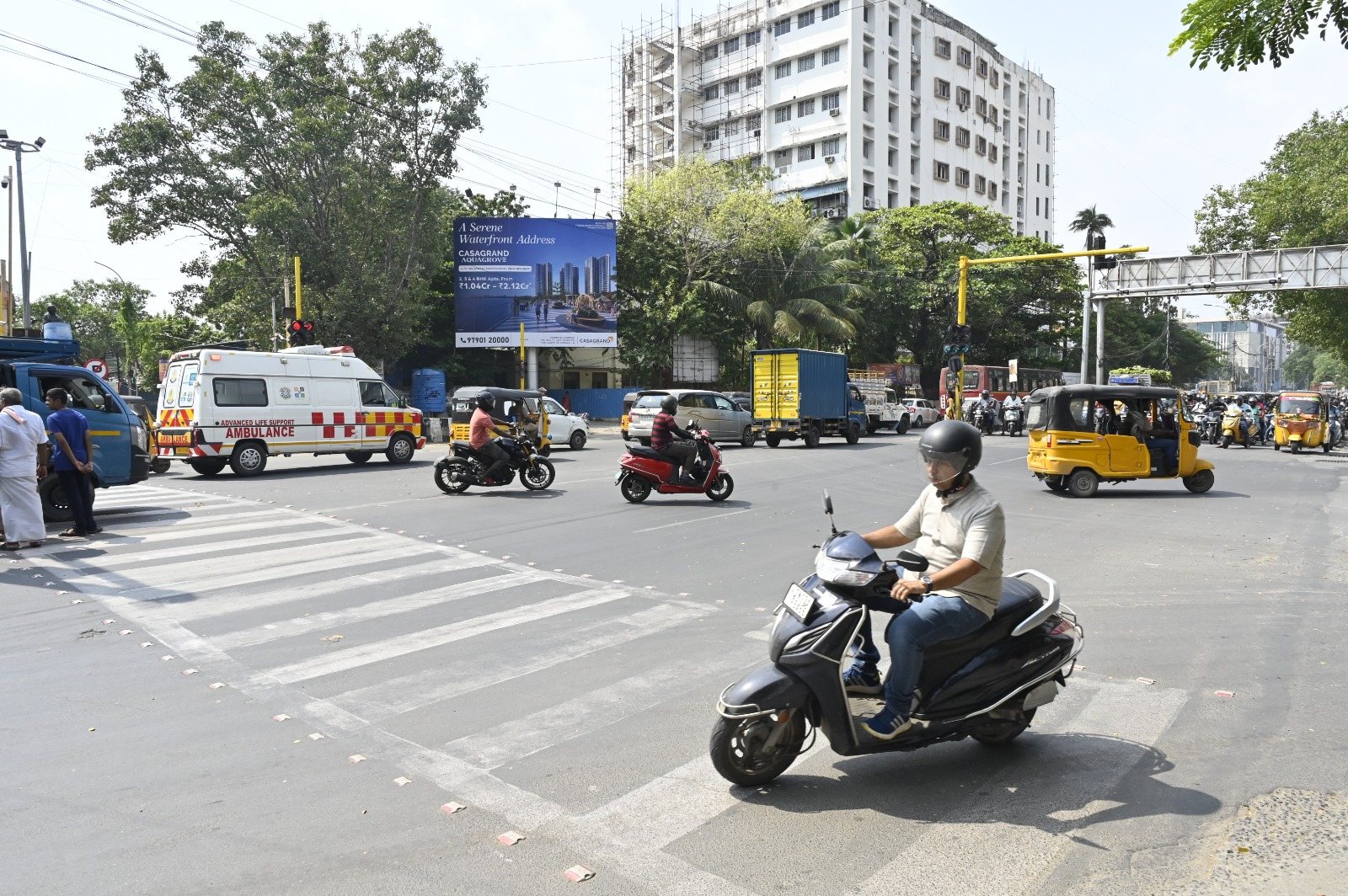
Distances and warning times measured on the Chennai test runs.
These are published national and medical figures, not results from our pilot. They are the reason an earlier warning is worth building.
Whether you're starting fresh or ready to scale, we'd love to hear your story.